### The Player Backlash Against Generative AI in Gaming: A Case Study of Battlefield 6
As 2023 comes to an end, the gaming community faces a notable pushback against the use of generative AI by game developers. The most recent title to receive backlash is *Battlefield 6*, with players expressing their worries over allegations of subpar content produced through AI-generated assets. This caution has led Electronic Arts (EA) to initiate an inquiry into the cosmetic items released in Season 1, with a particular emphasis on the winter cosmetics, aiming to determine the specific extent of AI technology’s involvement in their production.
#### Origins of the Controversy
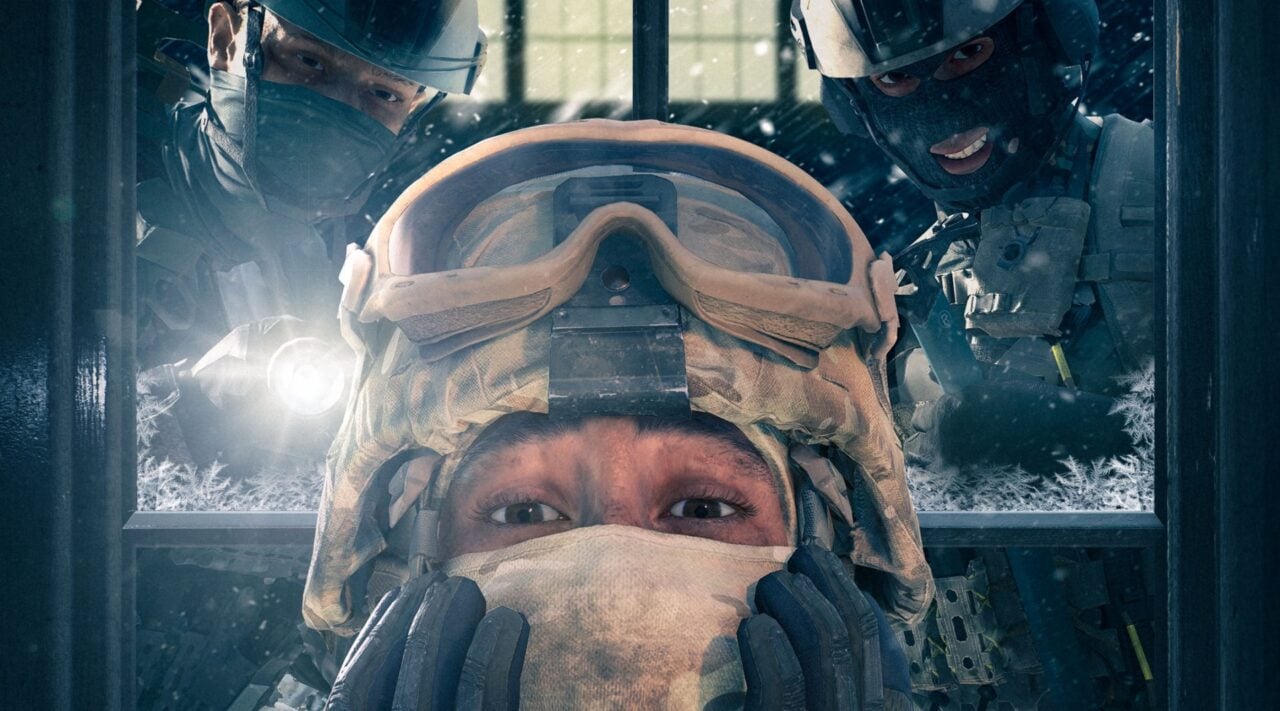
The discord among players erupted when *Battlefield 6* enthusiasts distributed images of new stickers from the Windchill bundle, which could be purchased for nearly $10. One particularly notable sticker portrayed a character with a dubious double-barreled rifle aimed through the scope of an M4A1 assault rifle. Frustration surged within the community, highlighted by a popular Reddit comment stating, “I’d rather not have any sticker at all than some low-quality AI generated junk.” This feeling underscored the escalating doubts about AI’s influence in the gaming creative processes.
Further community-led investigations resulted in an informal AI “vibe check” on other cosmetics in the game. Although there were no overt signs of AI involvement as shocking as the six-fingered Santa Zombie in *Call of Duty: Black Ops 6*, concerns were raised regarding overall quality assurance and the authenticity of in-game content. An example included a bear sticker with an implausibly large number of claws, sparking questions about whether such mistakes were due to careless human oversight or reckless use of generative AI tools.
#### Promises vs. Reality
The controversy arises following a commitment made by EA Vice President Rebecka Coutaz, who heads DICE, the developer of the *Battlefield* series. During an earlier interview this year, Coutaz reassured fans that no AI-generated images would be present in the final game. Nevertheless, she admitted to utilizing AI in initial production phases to enhance creative possibilities.
As generative AI technology evolves, there are credible scenarios explaining how such so-called ‘AI slop’ could make its way into a game of *Battlefield 6*’s stature. One scenario is that concept artists might employ AI for initial design references that are subsequently fine-tuned manually. Alternatively, designs could be provided by external contractors, escaping through a rushed quality assurance process in the haste to produce content after launch.
#### EA’s Position on AI in Gaming
In spite of the backlash, EA has remained positive about the disruptive capabilities of AI in game development. CEO Andrew Wilson stressed AI as a “formidable accelerator of creativity, innovation, and player engagement” in recent discussions with investors. Different departments have been urged to investigate AI tools in their workflows, as reported by *Kotaku*, which noted that AI technologies were used for designing promotional materials for games like *NHL 26*.
Yet, while the deployment of AI can provide creative advantages, it simultaneously raises concerns regarding the quality and craftsmanship of game content. A double-barreled rifle in a *Battlefield* game is an evident irregularity that suggests potential AI involvement, while other inconsistencies, such as variations in asset quality, might merely reflect a decline in thorough quality assurance amid heightened demands for fresh content and microtransactions.
#### Conclusion
The accusations concerning *Battlefield 6* mirror a wider conversation about generative AI in gaming, especially about its repercussions on quality and community trust. As players persist in expressing their dissatisfaction with what they perceive as shortcuts in the creative processes, the responsibility lies with developers like EA to elucidate their usage of AI technologies and uphold high standards in the games they create. As the industry progresses, achieving the right equilibrium between innovation and quality assurance will be vital for maintaining gamer trust and satisfaction.
READ ARTICLE